VIP Nanny vs. Maternity Nurse: Understanding the Key Differences
When welcoming a new child into the family, choosing the right childcare professional can make all the difference. Two of…


When we think about mental health, we often imagine teenagers or adults navigating stress, anxiety, or depression. But mental health begins much earlier—even in infancy and the preschool years.
As awareness grows, so does our understanding that mental health in early childhood is just as crucial as physical health. The foundation for lifelong emotional resilience, learning, and social relationships is built in the earliest years of life.
Early childhood mental health refers to the social, emotional, and psychological well-being of young children, from birth to age 8. It includes:
A mentally healthy child can manage emotions, cope with normal stress, and engage positively with others.
Several recent trends have pushed early mental health into the spotlight:
Many young children missed out on key social experiences during COVID-19 lockdowns, leading to increases in:
Professionals are now better at recognizing early signs of:
Exposure to high levels of stress—like poverty, abuse, or family instability—can alter brain development. Without intervention, this “toxic stress” can increase the risk of lifelong mental and physical health problems.
It’s normal for young children to have tantrums, fears, or mood swings. But persistent or intense signs may signal deeper issues:
If something feels “off,” it’s okay to trust your instincts and seek guidance.
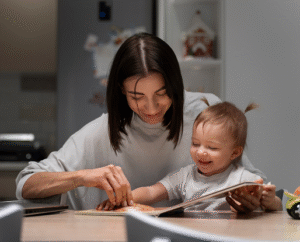
Talk openly about emotions. Use books, stories, or play to help kids identify and express how they feel.
Children thrive when they feel safe and seen. Quality time, affection, and consistent routines build trust and emotional security.
Show children how you manage your own stress and emotions. This helps them learn through observation.
Early intervention works. Whether it’s a counselor, speech therapist, or pediatrician, help is most effective when accessed early.
Promoting early mental health isn’t about “fixing” kids—it’s about creating the conditions where they can flourish. That means:
When we nurture children’s mental well-being early, we don’t just prevent problems—we help them grow into resilient, compassionate, and confident people.
Early childhood is a once-in-a-lifetime window of opportunity. By taking children’s mental health seriously from the start, we lay the groundwork for healthier futures—at home, at school, and in society.
Let’s start the conversation early. Because mental health starts in the crib—not just the classroom.
When we think about mental health, we often imagine teenagers or adults navigating stress, anxiety, or depression. But mental health begins much earlier—even in infancy and the preschool years. As awareness grows, so does our understanding that mental health in…
When welcoming a new child into the family, choosing the right childcare professional can make all the difference. Two of…

In today’s digital world, technology is an integral part of children’s lives. From smartphones to tablets to computers, children have…

Helping your child develop good eating habits from an early age sets them up for a lifetime of health and…